
Can a Beach Town Airbnb Survive the Off-Season?
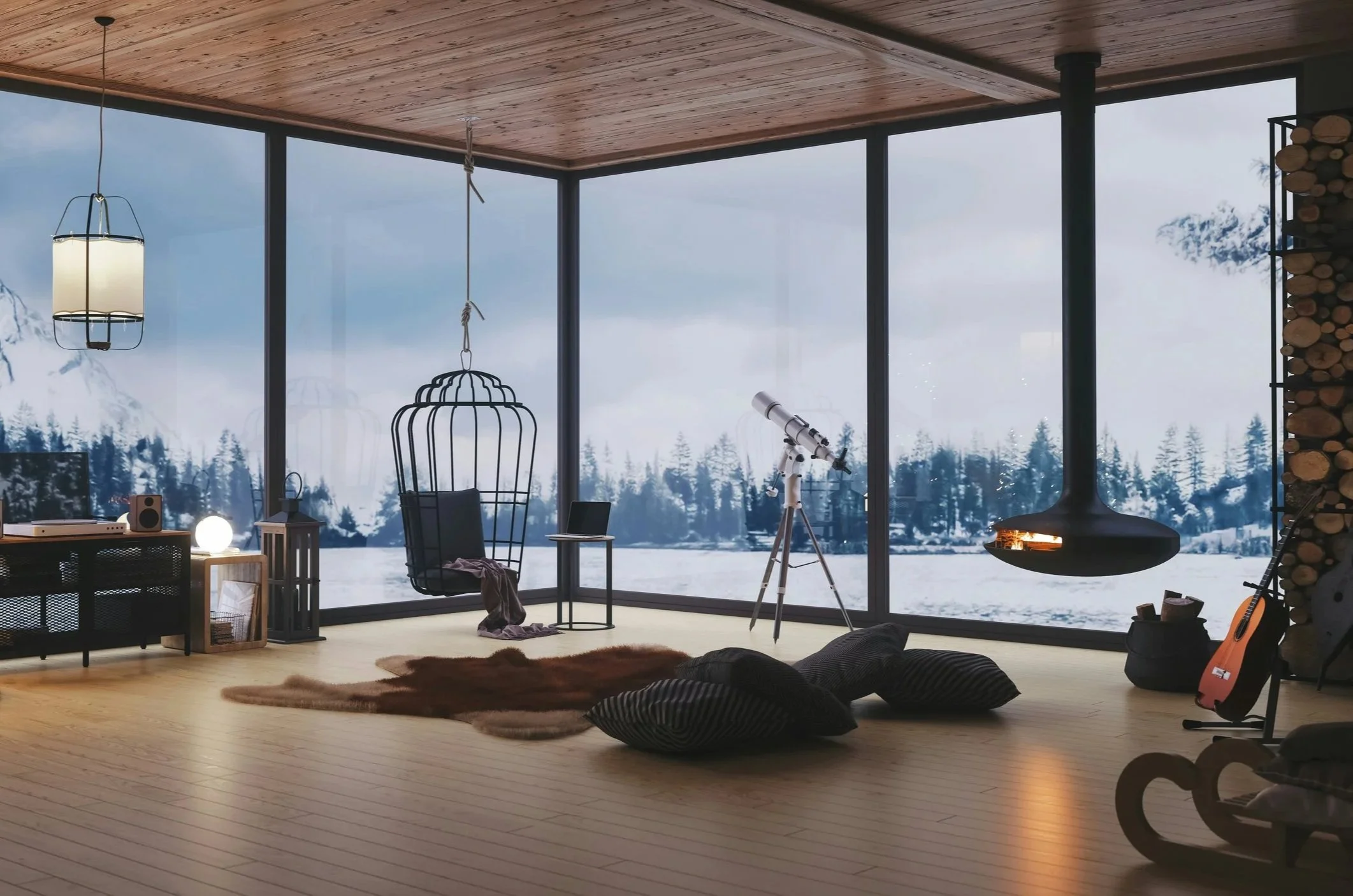
The goal isn’t to make the off-season feel like summer. It’s to give people a reason to come anyway.
Our lake house sits at the top of a hill overlooking Lake Erie in Port Dover, Ontario. In the summer, it’s a pretty easy place to fall in love with. You can make your way down the stairs to the lower deck overlooking the water, or keep on going right down to the lake, where you can splash around on the sandbar or take the paddle boards out. The town is busy, the little shops and ice cream places are open, bikes are everywhere and the whole place has that unmistakable beach-town energy.
Winter is different.
Once beach season ends, Port Dover gets quiet. Really quiet. And when you own a vacation rental in a town that comes alive in the summer, I think the first thing you have to accept is that you’re probably not going to recreate July demand in January.
We’ve never really tried to.
Our lake house is, first and foremost, a summer property. But over the years, we’ve figured out a few things that help us continue attracting guests after beach season ends—from changing our rates and minimum stay to thinking differently about what actually makes the house worth visiting in winter.
Because I don’t think the goal is to make the off-season feel like summer. It’s to give people a reason to come anyway.
Adjust Your Pricing and Minimum Stay for the Off-Season
One of the biggest changes we make in winter has nothing to do with the house itself. We change the way we rent it.
Our rates come down in the off-season. We don’t expect someone to pay peak summer pricing for a beach town when the beach isn’t the main reason they’re coming. Instead, we price the house so that a short winter getaway feels worthwhile.
We also change our minimum stay. In summer, we generally look for week-long bookings. In the off-season, we drop that to two nights. A week at the lake makes sense in July. A weekend away makes much more sense in January.
I think that’s an important distinction if you own a rental in any highly seasonal destination. Rather than trying to convince guests to take the same vacation at a different time of year, think about the kind of trip they might actually want to take in the off-season—and make your rental work for that.
It also helps to show guests that there are still things to do nearby. Port Dover’s Lighthouse Festival Theatre, for example, has plays, concerts and other performances throughout the year. For a two-night getaway, you don’t need seven days’ worth of activities. A show, a good dinner and a beautiful place to spend the rest of the weekend might be plenty.
I’ve written before about What Makes a Short Term Rental Work: Lessons from our Lakehouse, and many of those same principles apply year-round. But a seasonal rental sometimes needs a slightly different strategy once its peak season ends.
Make the House Part of the Winter Destination
In summer, guests may spend much of the day away from the house. In winter, the house itself matters a lot more.
For us, one of the biggest advantages is our real wood-burning fireplace. There’s something pretty wonderful about curling up in front of an actual fire with a book while looking out over a vast, sometimes frozen Lake Erie.
But it’s also made me think about all the smaller things that make guests comfortable spending more time at the property. Our kitchen is fully stocked with the things you actually need to cook because making dinner can be part of the experience. We have board games, a record player, a guitar, books and comfortable places to sit.
In winter, I add more throw blankets to the family room and heavier knit blankets to the ends of the beds. All of our main lights are on dimmers, we have lamps throughout the house, and I add more candles during the colder months to give the rooms a softer glow in the evenings.
None of those things is a major amenity on its own. But if guests are likely to spend more time inside during your off-season, it’s worth looking at the house through that lens: Would I actually want to spend an entire evening here?
Use What’s Unique About Your Property Year-Round
One of the easiest mistakes with a seasonal rental might be assuming that its best feature only matters during peak season.
For us, that feature is obviously Lake Erie. In summer, the lake is somewhere you go. In winter, you tend to experience it from inside.
When the shoreline freezes, it can look as though an enormous white field has suddenly appeared in our backyard. I’ve watched a mother fox and her kits venture out onto the frozen lake, running and slipping around on the ice, and Bald Eagles fly past the windows.
The lake is still one of the reasons to be there. You just experience it differently.
If you own a seasonal rental, think about what makes people want to book it during your busiest months, and then look for ways to make that same feature part of the off-season experience. Maybe it’s a view, a forest, a mountain, a great porch or simply a really peaceful location. For us, it means making the lake view part of the winter experience too—and making sure our listing shows guests why it’s still worth coming for when beach season is over.
Give Guests Things to Do at the Property
We also try to give people reasons to enjoy the property itself rather than relying entirely on whatever is happening in town.
Our outdoor fire pit overlooking the lake can be used throughout the year, and one of the smaller additions I’d like to make is a telescope.
Our house faces south over Lake Erie, with a huge expanse of open sky above the water. I love the idea of keeping a telescope at the house along with a simple guide to constellations so guests can actually figure out what they’re looking at.
It would be fun in summer too, but it feels particularly well suited to winter, when it gets dark early and evenings naturally tend to be spent closer to the house.
That’s also made me think more broadly about amenities. They don’t necessarily need to be elaborate or expensive. Sometimes it’s simply about looking at what your property already offers and finding another way for guests to enjoy it.
Keep Improving the Off-Season Experience
We’re always thinking about what could make the lake house even better in winter. At the top of my longer-term list is a sauna overlooking the lake.
Sitting in a warm sauna on a freezing January afternoon looking out over Lake Erie sounds pretty incredible—and like exactly the kind of addition that could make the house even more appealing in the colder months.
I think that’s ultimately the opportunity with an off-season Airbnb. You may never have the same demand you have during peak season, and that’s okay. Instead, you can adjust the way you rent it, make the house somewhere guests genuinely want to spend time and look for ways to make the season itself part of the appeal.
For us, that means a quieter town, a frozen lake, a fire and a couple of days without very much on the agenda.
It’s not the summer version of our lake house—and I don’t think it needs to be.